NIH-Funded Gnotobiotic Facility Advances Microbiome Research in Chronic Liver Diseases and Obese Conditions at the University of California, San Diego

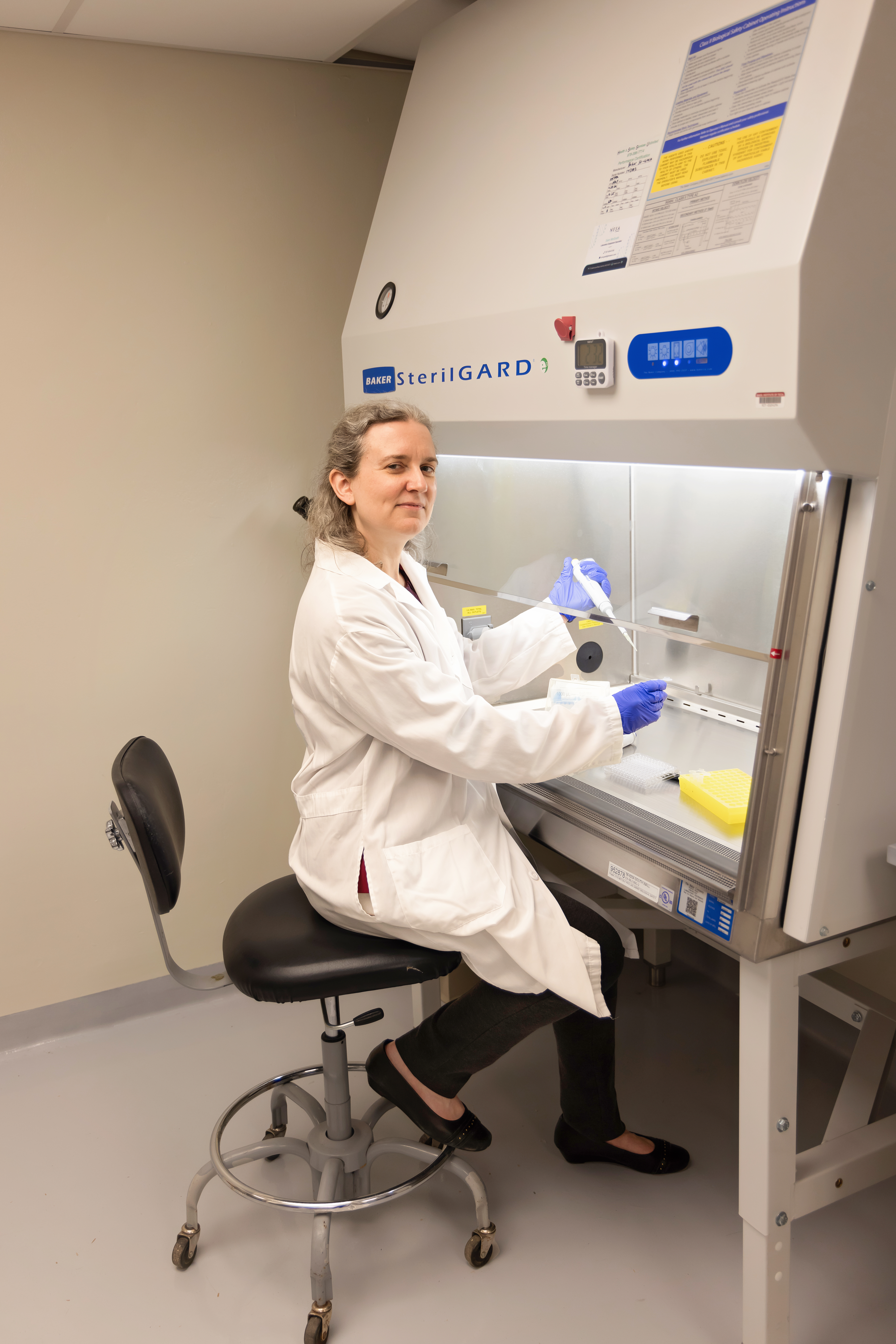
Many areas of biological research—including immunology, metabolic disorders, neurology, infectious disease, cancer, and translational microbiome research—require a well-controlled environment to study the role of the microbiome and host–microbe interactions. NIH supports the construction of gnotobiotic facilities that provide such specialized research environments designed to raise and maintain animals—primarily mice—in completely germ-free or precisely defined microbial conditions. Dr.

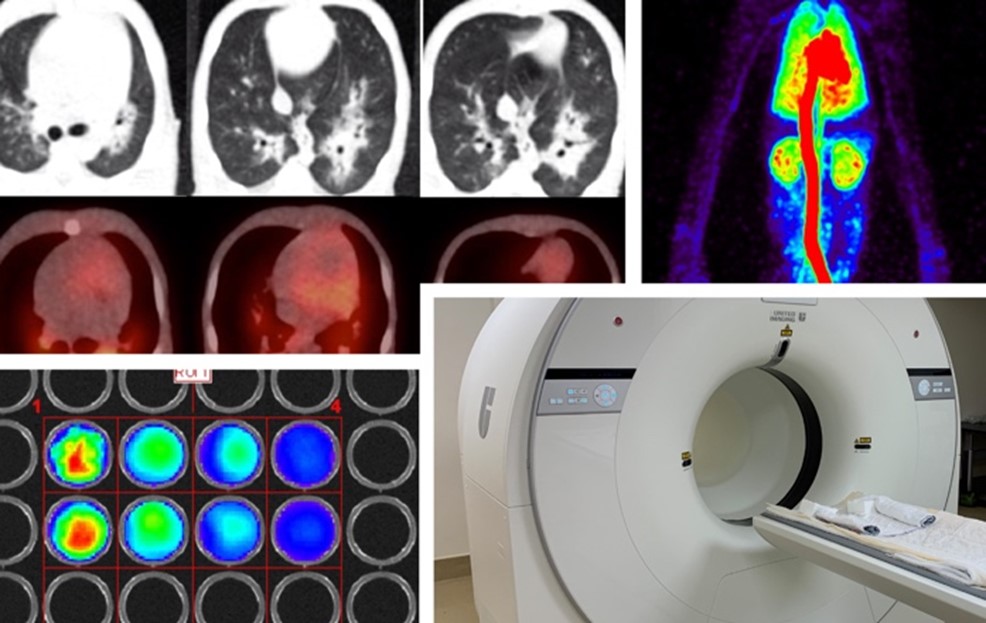
Swine Models Advance a New Option for Heart Valve Transplants in Neonates

Today, doctors treating neonates with critical congenital heart defects have two options: transplanting donor organs or using alternative approaches, such as a new heart valve transplantation procedure. Healthy heart valves are essential for ensuring unidirectional (single direction) blood flow. When an existing valve is diseased and needs replacement, a valve made from artificial materials, animal tissues, or a preserved valve from a human donor (an allograft) is frequently used; however, this approach has a serious limitation in children.

Development of Patient Avatars to Treat Human Diseases: How Two JAX Centers Are Advancing Research Through Genetic Models

Between 25 to 30 million Americans are impacted by rare diseases, but only 5% of rare diseases have treatments approved by the U.S. Food and Drug Administration (FDA), underscoring a profound need for more research in this field. For individuals and families affected by rare diseases, each day is a battle for answers, treatment, and hope.

BioGRID Provides Interaction Data to the Research Community

Each organism’s cells work through a complicated network of molecular interactions controlled at multiple levels. Understanding how these complex networks regulate each other to control phenotypes, human health, and disease is a long-standing problem in biology. The Biological General Repository for Interaction Datasets (BioGRID) is a database that collects information available in the scientific literature about such interactions and organizes those data into formats that are accessible to the research community.

Former T32 Trainee, Drew Koch, D.V.M., Ph.D., Advances Musculoskeletal Research

After spending his youth in rural Colorado, Dr. Drew Koch (Figure 1) combined his interest in science with his childhood experiences to pursue a career in veterinary medicine. “I grew up around farms and ranches. I was always interested in biology, so veterinary medicine seemed like a great fit,” he explained. He attended veterinary school at Colorado State University, where he became interested in a career in academic research.

S10 Mass Spectrometers Accelerate Collaborations on Aging and Women’s Health Research

Scientific and health innovations rely on continuous access to cutting-edge technology and instruments. Dr. Birgit Schilling, Professor, Buck Institute for Research on Aging, and Director of the Proteomics Core and Mass Spectrometry Center, knows this better than most, thanks to her dual role as a researcher and Core Director (Figure 1).

ORIP-Funded Instrumentation Supports Structural Studies for Next-Generation Pan-Sarbecovirus Vaccines

In the past 20 years, two sarbecoviruses—SARS-CoV-1 and SARS-CoV-2—have caused major disease outbreaks in humans. Researchers are interested in developing pan-sarbecovirus vaccines with stronger cross-neutralizing protective effects to resist viral evolution and prevent future outbreaks. Through the S10 Instrumentation Grant Programs, ORIP is helping this effort by funding shared resources for structural and functional analyses of viral proteins to enable studies of vaccine effectiveness.

Subscribe to